For those with unpredictable work schedules and busy lives, finding a balance between work and rest can be a struggle. Finding time for restful activities can be critical for your physical and mental health. However, many people are unaware of the difference between recovery activities and vacations. Understanding the difference between these two activities is essential in determining the most beneficial type of rest time for you.
Recovery activities involve activities like sleep, yoga, stretching, foam rolling, light exercise and massage. These activities involve very low-intensity activities. While they may be relaxing, they are designed to stimulate the body and promote recovery. Recovery activities should not be confused with daily activities like cooking, going to the grocery store, or going to work. Although those activities provide a sense of purpose and structure, they will not necessarily have a physiological effect on the body.

Vacations, on the other hand, are activities that involve target destinations, social events, and activities that are more demanding and stimulating than recovery activities. Vacations are designed to provide relief from long-term stress, whereas recovery activities are designed to provide short-term relief from acute stress. Vacations involve engaging in different activities, such as spending time with friends, trying new foods, exploring different cultures, sightseeing, etc. Unlike recovery activities, they can bottom-out your energy and you may even need to rest afterwards.
This difference between recovery activities and vacation activities comes down to the amount of energy needed. While recovery activities recharge the body, vacations deplete the body’s energy and thus require rest afterwards. Therefore, it is important to understand the differences between recovery activities and vacation activities, as well as the energy requirements of each activity type, in order to determine the most appropriate time to engage in either activity.
Ideally, a balance of recovery and vacation activities should be practiced in order to maintain overall health. After extended periods of physical and mental exertion, such as after a hard training session or work week, schedule recovery activities to recharge the body and prepare for future demands. On the other hand, vacations should be scheduled after long-term periods of rest and recovery, in order to explore new places, try new things, and take a break from everyday obligations and responsibilities.
Recovery activities and vacations both provide a necessary sense of rest and relaxation, but the activities within each type provide different benefits. Finding a balance between the two and incorporating them into your daily life can be immensely beneficial for both physical and mental wellness. Understanding the difference between recovery activities and vacations is the first step in discovering the best way to rest and recharge.
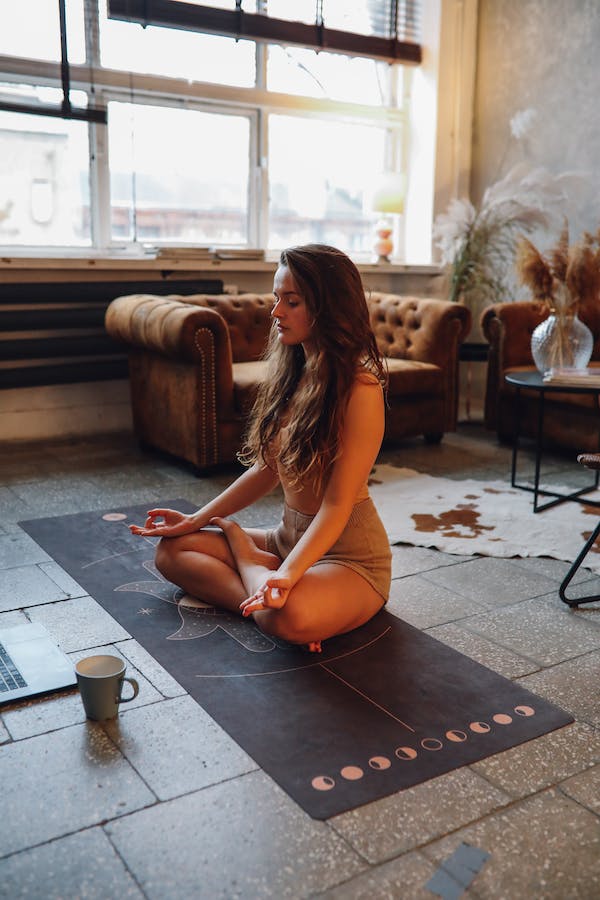 Recovery is all about taking the time to refuel and restore your body, mind and soul. It can include spending time with yourself, taking breaks from life’s non-stop challenges, and engaging in activities that relax and rejuvenate. For example, you could practice yoga or meditation, listen to calming music, take a warm bath, and re-connect with nature. You could also reduce your “to do” list, be mindful of your own thoughts, limit your social media use, and take time off from work when you need to.

 While both hotels and rehab centers offer comfortable accommodation and a variety of facilities, the differences between the two are clear. Rehab centers are designed to provide comprehensive treatment services and a safe and secure environment for those suffering from substance abuse and mental health disorders. Hotels, on the other hand, usually provide accommodation for travelers and conferences and meetings and the amenities and activities are generally meant for leisure and relaxation.