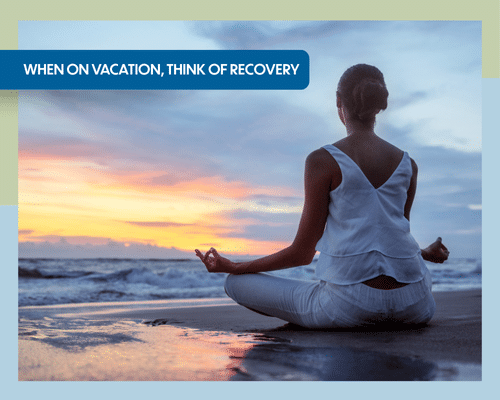
From Vacation to Recovery: Dispelling Myths About Rehab Environments

When people imagine rehab, they sometimes picture a peaceful escape that feels similar to a vacation resort. While modern treatment centers may provide calm, comfortable surroundings, this assumption can be misleading. Addiction recovery and mental health treatment are not about escape or relaxation. They are about structure, healing, and meaningful change. Understanding what rehab truly looks like can help individuals and families approach treatment with clarity and confidence.

The Reality of Rehab: Healing Comes First

A professional rehab center is designed with one clear purpose: to support recovery from addiction and co-occurring mental health conditions. While comfort is important, it is never the main focus. Instead, every aspect of treatment is built around helping individuals heal and rebuild their lives.

Effective rehab programs focus on:

  • Addressing the root causes of addiction and emotional distress
  • Treating mental health conditions such as anxiety, depression, or trauma
  • Teaching coping strategies for real-world challenges
  • Building structure, routine, and accountability
  • Supporting long-term recovery and relapse prevention

Unlike a vacation setting, rehab is active, structured, and purpose-driven.

Why Rehab Is Not a Vacation Experience

One of the most common misconceptions about rehab is that it resembles a relaxing getaway. In reality, the goals and daily experiences are very different.

Comfort Supports Healing, It Does Not Replace It

Rehab centers may offer clean, peaceful, and welcoming environments. This is intentional. A safe setting helps individuals focus on recovery without unnecessary stress. However, comfort is a support tool, not the objective.

Recovery Requires Active Participation

Unlike a vacation where rest and leisure are the focus, rehab requires engagement. Clients participate in therapy sessions, group discussions, educational workshops, and wellness activities. This active involvement is essential for lasting change.

Structured Treatment Programs That Build Stability

Structure is one of the most important parts of effective addiction treatment. It helps individuals rebuild routine and develop healthy habits that support long-term recovery.

Inpatient Treatment Programs

Inpatient rehab provides 24-hour care in a structured and supportive environment. Clients live on-site and receive daily therapy, counseling, and medical support. This immersive approach helps remove distractions and allows individuals to fully focus on healing.

Outpatient Treatment Programs

Outpatient care allows individuals to live at home while attending scheduled treatment sessions. This flexible option supports those who need continued guidance while managing work, school, or family responsibilities. It also helps clients practice recovery skills in real-life situations with professional support.

Holistic and Faith-Based Recovery Approaches

Modern addiction treatment often goes beyond traditional therapy. Many rehab programs integrate holistic and faith-based approaches to support overall well-being.

Holistic care may include mindfulness practices, physical wellness activities, nutrition guidance, and stress reduction techniques. These tools help individuals strengthen their mind-body connection and improve emotional balance.

Faith-based programs provide spiritual support for those who find strength in their beliefs. This approach can offer hope, meaning, and encouragement throughout the recovery journey.

Personalized Care for Lasting Recovery

No two recovery journeys are the same. That is why individualized treatment is a key part of professional rehab programs. Each person receives a customized plan based on their history, needs, and goals.

Personalized treatment may include:

  • Individual therapy sessions
  • Group counseling and peer support
  • Dual diagnosis treatment for mental health conditions
  • Relapse prevention planning

This tailored approach helps ensure that treatment is effective and relevant to each individual’s recovery path.

Moving Beyond the Vacation Myth

It is important to understand that rehab is not designed to be a retreat from life. It is designed to help individuals rebuild it. While the environment may feel supportive and calm, the real work happens through therapy, reflection, and personal growth.

Recovery is not passive. It is a process that requires effort, honesty, and commitment. Rehab provides the tools and support needed to make that process possible.

Taking the First Step Toward Recovery

If you or someone you love is struggling with addiction or mental health challenges, professional treatment can make a lasting difference. Rehab offers structure, guidance, and compassionate care designed to support real healing.

Choosing recovery is not about escaping life. It is about rebuilding it with strength, clarity, and support. The first step begins with reaching out, and that step can open the door to lasting change and a healthier future.


Beyond Comfort: Why Rehab Centers Prioritize Healing Over Relaxation

When people picture rehab, they often imagine a quiet, comfortable place where stress simply fades away. While comfort is part of the experience, professional addiction and mental health treatment is built on something far more meaningful. Rehab is not designed to be a retreat. It is designed to be a place of healing, structure, and transformation. Understanding this difference helps individuals and families approach recovery with clarity and realistic expectations.

The Real Purpose of a Rehab Center

A professional rehab center exists to help individuals break free from addiction and address the mental health challenges that often come with it. Unlike a vacation or wellness retreat, the focus is not on relaxation. The focus is on recovery outcomes that last long after treatment ends.

Effective addiction treatment programs aim to:

  • Identify the root causes of substance use
  • Treat co-occurring mental health conditions such as anxiety or depression
  • Build healthy coping skills for real life stress
  • Strengthen emotional resilience and stability
  • Support long-term recovery and relapse prevention

Every part of treatment is intentional and guided by clinical expertise, compassion, and individualized care.

Why Healing Requires More Than Comfort

Comfort can make a person feel safe, but healing requires active participation. Rehab is structured to help individuals engage in their recovery, not escape from it.

Emotional Work Is Part of Recovery

Recovery involves understanding difficult emotions, past trauma, and behavioral patterns. This process is not always easy, but it is necessary. Therapy sessions, group discussions, and guided reflection help individuals work through challenges in a supportive environment.

Growth Comes From Structure and Accountability

Unlike a relaxation setting, rehab follows a structured daily schedule. This structure helps individuals rebuild routine, responsibility, and focus. Accountability from professionals and peers plays a major role in long-term success.

Structured Care That Supports Real Change

Structure is one of the most important elements of effective treatment. It creates stability, reduces uncertainty, and helps individuals stay engaged in their recovery journey.

Inpatient Treatment Programs

Inpatient rehab provides 24-hour support in a safe and structured environment. Clients live at the facility and participate in daily therapy, counseling, and wellness activities. This level of care is especially helpful for individuals who need intensive support or a break from triggering environments.

Outpatient Treatment Programs

Outpatient care allows individuals to continue living at home while attending scheduled treatment sessions. This option provides flexibility while still offering professional guidance and accountability. It is often used as a step toward long-term independence in recovery.

Holistic and Faith-Based Healing Approaches

Modern rehab centers recognize that recovery is not only physical or psychological. It also involves emotional and spiritual healing.

Holistic approaches may include mindfulness practices, physical wellness activities, nutrition support, and stress management techniques. These tools help individuals reconnect with their bodies and emotions in healthy ways.

Faith-based programs offer additional support for those who draw strength from spirituality. These approaches can provide hope, purpose, and a deeper sense of meaning throughout the recovery process.

Individualized Treatment for Lasting Recovery

No two recovery journeys are the same. That is why individualized treatment plans are essential in professional rehab settings. Each person receives care tailored to their specific needs, history, and goals.

Personalized treatment may include:

  • One-on-one therapy sessions
  • Group counseling and peer support
  • Mental health treatment for co-occurring disorders
  • Customized relapse prevention planning

This personalized approach increases the chances of long-term success and helps individuals build a strong foundation for life after treatment.

Why Rehab Is Not About Relaxation

While rehab centers may feel calm and supportive, the purpose is not relaxation. It is transformation. Clients are encouraged to participate fully in their recovery, confront challenges, and develop new skills for life outside treatment.

Comfort supports the process, but healing is the goal. The real value of rehab comes from the work done during treatment and the lasting change it creates.

Taking the First Step Toward Healing

If you or someone you love is struggling with addiction or mental health challenges, professional help can make a life-changing difference. Rehab offers structured care, compassionate support, and individualized treatment designed for real recovery.

Choosing to seek help is not about escaping life. It is about rebuilding it. With the right support, healing is possible, and a healthier future is within reach.

Not a Hotel, Not a Resort: Understanding the True Purpose of Addiction Treatment

It is easy to misunderstand what addiction treatment really looks like. With some rehab centers offering comfortable surroundings, people may assume it feels like staying at a hotel or resort. In reality, professional addiction treatment is not about escape or relaxation. It is about healing, growth, and building a foundation for long-term recovery. Understanding the true purpose of rehab can help individuals and families take the first step with confidence and clarity.

The Real Mission of Addiction Treatment

At its core, addiction treatment is designed to help individuals break free from substance use and address underlying mental health challenges. While comfort plays a supportive role, the focus is always on recovery outcomes.

Professional rehab programs aim to:

  • Identify and treat the root causes of addiction
  • Address co-occurring mental health conditions
  • Teach coping skills for stress and triggers
  • Build habits that support long-term wellness

This is not passive care. It is an active, guided process that requires commitment, honesty, and participation.

Why Rehab Is Different From a Hotel or Resort

A hotel or resort is designed for relaxation and entertainment. In contrast, a rehab center is a structured environment where every aspect of care is intentional and focused on healing.

Comfort Has a Purpose

Rehab centers often provide clean, peaceful spaces to help clients feel safe and supported. However, comfort is not the goal. It is a tool that allows individuals to focus on therapy and personal growth without unnecessary distractions.

Healing Requires Active Participation

Unlike a vacation, where rest is the main activity, rehab involves daily engagement. Clients attend therapy sessions, participate in group discussions, and work through challenges. This active involvement is essential for meaningful change.

Structured Programs That Support Recovery

Structure is one of the most important elements of effective addiction treatment. A consistent routine helps individuals rebuild stability and develop healthy habits.

Inpatient Treatment

Inpatient programs provide a highly structured setting where clients live on-site and receive around-the-clock support. This level of care is ideal for individuals who need a safe environment free from triggers. Daily schedules include therapy, counseling, and wellness activities that promote healing and accountability.

Outpatient Treatment

Outpatient programs offer flexibility for individuals who can maintain their daily responsibilities while receiving care. Clients attend scheduled sessions and continue practicing recovery skills in real-life situations. This approach supports long-term success by helping individuals transition back into everyday life with confidence.

Holistic and Faith-Based Approaches

Effective addiction treatment addresses more than just physical symptoms. It focuses on the whole person, including emotional and spiritual well-being.

Holistic therapies such as mindfulness, exercise, and nutrition support overall health and reduce stress. These practices help individuals reconnect with themselves and build a balanced lifestyle.

Faith-based programs provide an additional layer of support for those who draw strength from spirituality. Integrating faith into treatment can offer purpose, encouragement, and a deeper sense of connection throughout the recovery journey.

Personalized Care for Lasting Results

No two individuals experience addiction in the same way. That is why personalized treatment plans are essential. Rehab programs are tailored to each person’s history, challenges, and goals.

Individualized care ensures that therapy is relevant and effective. It also allows clients to progress at a pace that supports their unique path to recovery. This level of attention is a key factor in achieving long-term success.

Moving Beyond Misconceptions

Understanding that rehab is not a hotel or resort helps set realistic expectations. Recovery is not about temporary comfort. It is about learning, growing, and making meaningful changes that last a lifetime.

While the environment may be supportive and welcoming, the true value of rehab lies in the structure, guidance, and tools it provides.

Taking the First Step Toward Healing

If you or a loved one is struggling with addiction or mental health challenges, seeking professional help can be life-changing. A rehab program offers more than a place to stay. It provides the support, structure, and expertise needed to build a healthier future.

Recovery begins with a single step. Reaching out for help today can open the door to lasting change, renewed purpose, and a life free from the weight of addiction.

Recovery Isn’t a Retreat: What to Expect in Professional Rehab Programs

When people think of rehab, they often imagine a peaceful retreat, a place to relax away from stress and responsibilities. While a comfortable environment can support healing, professional rehab is far more than a retreat. The goal of addiction recovery and mental health treatment is not temporary comfort—it is lasting transformation. Understanding what to expect from a professional rehab program can help individuals and their families approach treatment with clarity, realistic expectations, and confidence.

The True Purpose of Rehab

Rehab programs exist to help individuals overcome addiction, manage mental health challenges, and build skills that support long-term wellness. Comfort is important, but it is a tool, not the objective. Professional programs focus on:

  • Addressing the root causes of addiction
  • Managing co-occurring mental health conditions
  • Developing coping strategies and life skills
  • Creating supportive connections with counselors and peers

Every element of a rehab program is designed to support healing, growth, and accountability rather than indulgence or relaxation.

Structured Programs for Effective Recovery

Structure is one of the most important differences between a rehab program and a retreat. Predictable routines, scheduled therapy sessions, and professional oversight provide a stable environment that promotes recovery.

Inpatient Care

Inpatient programs immerse clients in a structured environment where 24-hour support is available. Participants live on-site, attending individual and group therapy, medical evaluations, and wellness activities. This comprehensive approach removes outside distractions, helps manage triggers, and allows individuals to focus entirely on recovery.

Outpatient Care

Outpatient programs provide flexibility for clients who can safely live at home. Individuals attend therapy sessions, support groups, and counseling appointments while maintaining their daily responsibilities. Outpatient care reinforces skills learned in treatment and offers ongoing professional support as clients integrate recovery strategies into real-life situations.

Holistic and Faith-Based Support

Recovery is most effective when it addresses the mind, body, and spirit. Many rehab centers, including Dolce Minneapolis, incorporate holistic practices such as meditation, yoga, nutrition guidance, and mindfulness exercises. These approaches enhance overall well-being and strengthen emotional resilience.

Faith-based programs provide spiritual guidance and encouragement for those seeking purpose and support through their beliefs. Combining spiritual support with evidence-based therapy can foster hope, resilience, and motivation throughout the recovery journey.

Personalized Treatment for Lasting Change

Every recovery journey is unique. Professional rehab centers develop individualized treatment plans based on addiction history, mental health needs, and personal goals. Personalized care ensures therapy is meaningful, effective, and tailored to support each client’s long-term success.

Why Rehab Is Not a Retreat

While rehab may offer a safe and welcoming environment, true recovery requires active participation. Clients engage in therapy, confront challenges, and develop skills that support lasting change. Comfort supports the healing process but is not the main objective. Unlike a retreat, rehab is a place of intentional growth, structured care, and real-life skill-building.

Taking the First Step Toward Recovery

If you or a loved one are facing addiction or mental health challenges, professional rehab provides the guidance, tools, and support necessary for lasting change. Recovery is a journey, not a retreat, and taking the first step toward treatment is an investment in a healthier, more fulfilling life.

By choosing a program that combines structured care, holistic and faith-based practices, and personalized treatment, clients gain more than temporary comfort—they gain the skills, resilience, and confidence needed to maintain a lifetime of wellness.