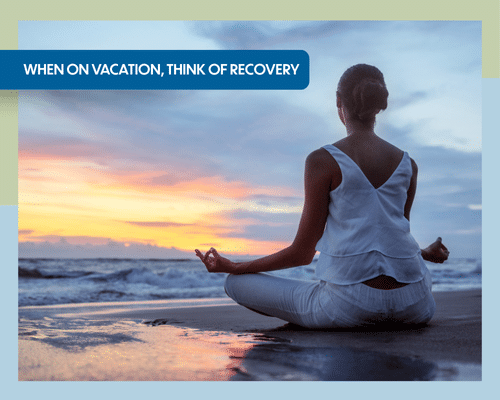
When people imagine rehab, they sometimes picture a peaceful escape that feels similar to a vacation resort. While modern treatment centers may provide calm, comfortable surroundings, this assumption can be misleading. Addiction recovery and mental health treatment are not about escape or relaxation. They are about structure, healing, and meaningful change. Understanding what rehab truly looks like can help individuals and families approach treatment with clarity and confidence.
The Reality of Rehab: Healing Comes First
A professional rehab center is designed with one clear purpose: to support recovery from addiction and co-occurring mental health conditions. While comfort is important, it is never the main focus. Instead, every aspect of treatment is built around helping individuals heal and rebuild their lives.
Effective rehab programs focus on:
- Addressing the root causes of addiction and emotional distress
- Treating mental health conditions such as anxiety, depression, or trauma
- Teaching coping strategies for real-world challenges
- Building structure, routine, and accountability
- Supporting long-term recovery and relapse prevention
Unlike a vacation setting, rehab is active, structured, and purpose-driven.
Why Rehab Is Not a Vacation Experience
One of the most common misconceptions about rehab is that it resembles a relaxing getaway. In reality, the goals and daily experiences are very different.
Comfort Supports Healing, It Does Not Replace It
Rehab centers may offer clean, peaceful, and welcoming environments. This is intentional. A safe setting helps individuals focus on recovery without unnecessary stress. However, comfort is a support tool, not the objective.
Recovery Requires Active Participation
Unlike a vacation where rest and leisure are the focus, rehab requires engagement. Clients participate in therapy sessions, group discussions, educational workshops, and wellness activities. This active involvement is essential for lasting change.
Structured Treatment Programs That Build Stability
Structure is one of the most important parts of effective addiction treatment. It helps individuals rebuild routine and develop healthy habits that support long-term recovery.
Inpatient Treatment Programs
Inpatient rehab provides 24-hour care in a structured and supportive environment. Clients live on-site and receive daily therapy, counseling, and medical support. This immersive approach helps remove distractions and allows individuals to fully focus on healing.
Outpatient Treatment Programs
Outpatient care allows individuals to live at home while attending scheduled treatment sessions. This flexible option supports those who need continued guidance while managing work, school, or family responsibilities. It also helps clients practice recovery skills in real-life situations with professional support.
Holistic and Faith-Based Recovery Approaches
Modern addiction treatment often goes beyond traditional therapy. Many rehab programs integrate holistic and faith-based approaches to support overall well-being.
Holistic care may include mindfulness practices, physical wellness activities, nutrition guidance, and stress reduction techniques. These tools help individuals strengthen their mind-body connection and improve emotional balance.
Faith-based programs provide spiritual support for those who find strength in their beliefs. This approach can offer hope, meaning, and encouragement throughout the recovery journey.
Personalized Care for Lasting Recovery
No two recovery journeys are the same. That is why individualized treatment is a key part of professional rehab programs. Each person receives a customized plan based on their history, needs, and goals.
Personalized treatment may include:
- Individual therapy sessions
- Group counseling and peer support
- Dual diagnosis treatment for mental health conditions
- Relapse prevention planning
This tailored approach helps ensure that treatment is effective and relevant to each individual’s recovery path.
Moving Beyond the Vacation Myth
It is important to understand that rehab is not designed to be a retreat from life. It is designed to help individuals rebuild it. While the environment may feel supportive and calm, the real work happens through therapy, reflection, and personal growth.
Recovery is not passive. It is a process that requires effort, honesty, and commitment. Rehab provides the tools and support needed to make that process possible.
Taking the First Step Toward Recovery
If you or someone you love is struggling with addiction or mental health challenges, professional treatment can make a lasting difference. Rehab offers structure, guidance, and compassionate care designed to support real healing.
Choosing recovery is not about escaping life. It is about rebuilding it with strength, clarity, and support. The first step begins with reaching out, and that step can open the door to lasting change and a healthier future.